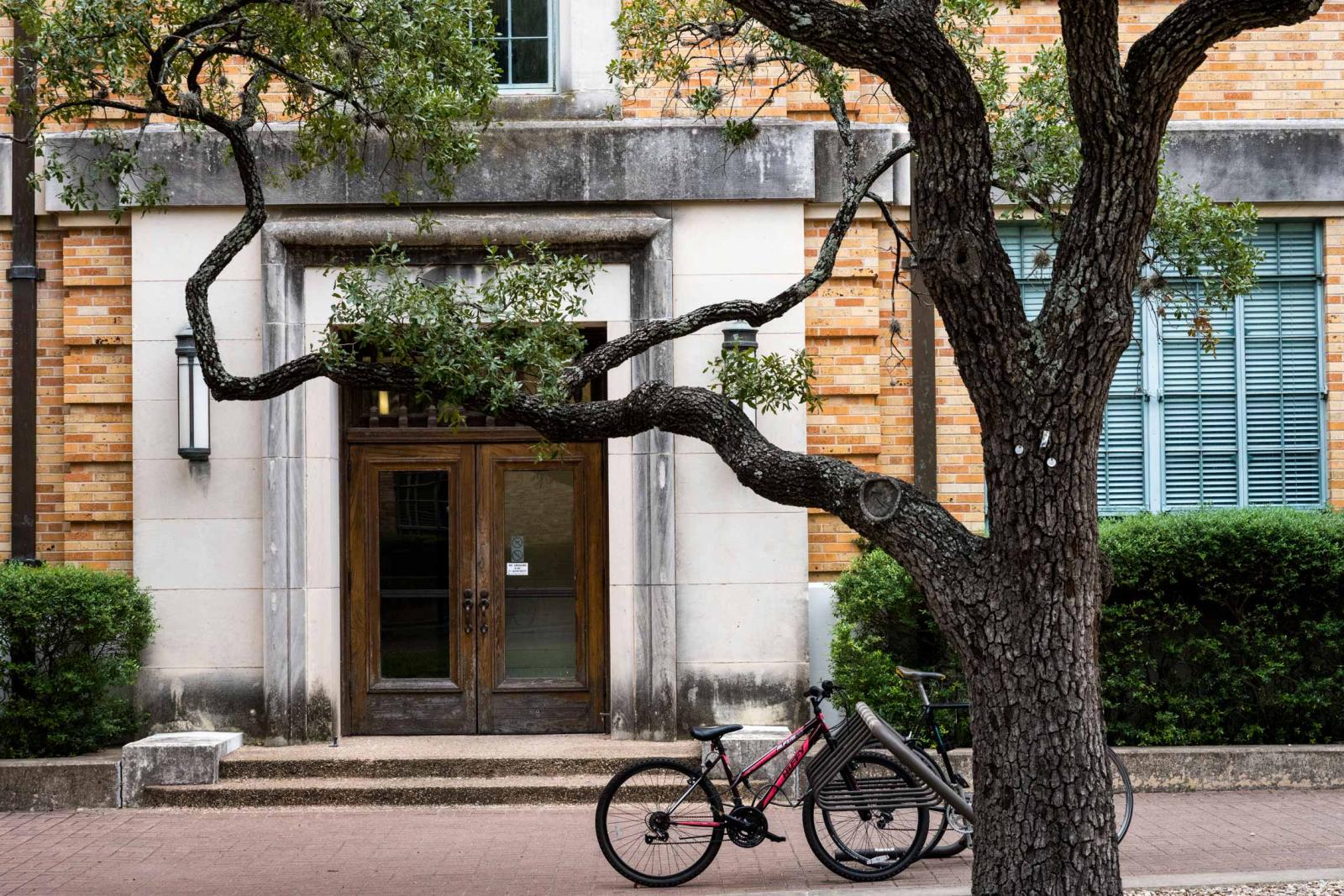
The Campus Experience
UT has a long history of thoughtful campus master planning that shapes who we are today. Early efforts under Cass Gilbert, Herbert Greene, and Paul Phillipe Cret established the architectural character of the core Forty Acres and gave rise to treasured places, including the Tower that have become enduring and iconic symbols of the University. Subsequent master planning efforts have allowed UT to grow thoughtfully from a small college on a hill to the state’s flagship university and one of the world’s top research institutions.
This next Campus Master Plan will help the University make informed decisions that support students, faculty, staff and the community today and into the future.
It will serve as a tool to guide UT’s growth over the near and long-term by establishing a campus-wide framework for land use and development, future space needs, and recommendations for renovations, reuse, or new construction. The plan will address campus connectivity and mobility, utilities and infrastructure capacity, technology needs, and historic preservation. The plan will also develop design standards that shape the campus experience and character. These standards will include stewardship and conservation to enhance the long-term resiliency of buildings, grounds and infrastructure, historic and cultural conservation, landscape, and wayfinding. These elements will provide a coordinated framework for long-term stewardship of the campus.
Why Now?
The University is at a pivotal moment of growth and change in the midst of a dynamic city. Academic priorities, research needs, student expectations, and infrastructure demands have evolved. The Campus Master Plan is needed to define a clear, actionable path as the University builds new spaces, reinvests in existing ones, and plans for the future that supports a vibrant Longhorn culture, strengthens learning and research, reimagines residential life, prioritizes safe, accessible, and modern campus environments, and fosters collaboration and innovation that will shape the UT campus for generations to come.

Defining Areas of Academic and Innovation Excellence
The plan will evaluate how we use existing and future buildings to better organize campus in support of our research and teaching missions. This will allow related programs and disciplines to strengthen collaboration and support UT’s continued advancement in academic medicine, innovation, and the frontiers of science.

Making it Easy to Move Across Campuses in an Urban Environment
We will work with the UT community and regional partners to develop a mobility framework that allows us to make the best decisions to support how we move across Main Campus and UT’s extended campuses, considering all modes of travel. A key part of this effort will also include how we improve our accessibility to buildings, outdoor spaces, and pathways across campus, in coordination with ongoing efforts.

Advancing the Student Campus Experience
The plan will help create a campus experience that supports every dimension of student life — guiding the University to make informed decisions about where future Longhorns live, study, work, gather, and celebrate. Grounded in principles that strengthen community and advance innovative learning, the plan will identify how physical spaces will evolve to help students lead, contribute, and thrive.

Shaping Future Landmarks and a Unified Campus Character
Through studying how the UT community arrives, gathers, and moves through campus, the plan will set the stage for the next generation of notable landmarks, buildings, and spaces to emerge from a strong sense of place and UT’s mission. The plan will also articulate clear design standards and material guidelines, ensuring that new development and renovations share a cohesive and consistent look.

Master Plan Process
Phase 1: Information Gathering and Goal Setting
This phase focuses on understanding how UT’s campuses function today and what they will need in the future. Through data analysis and campus-wide feedback, including surveys and feedback opportunities, we will identify priorities that will shape how the campus evolves over the next 10-30 years.
Phase 2: Campus Master Plan Preparation
In this phase, the University will create a Campus Master Plan Framework to guide future planning and decision-making. The framework will outline how land is used, where development may occur, and how buildings, infrastructure, open space, and campus connections work together. It will also inform updates to mobility, utilities, technology, historic preservation, and design standards that shape the campus experience.